
Art is more than just an image on a canvas or a sculpture in a gallery. It is an expression of human emotion, culture, and creativity. From ancient cave paintings to contemporary art installations, art has always served as a way to communicate ideas, tell stories, and document history. In a world that moves fast, art remains a timeless form of reflection, allowing individuals to connect with past experiences and imagine new possibilities. Galleries, as curated spaces for these works, offer a unique opportunity to engage with art on a deeper level, enabling viewers to see the world through the eyes of the artist. Each piece in an art gallery has the potential to spark dialogue and inspire change, serving as a catalyst for thought and conversation.
The Role of Galleries in Art Preservation and Discovery
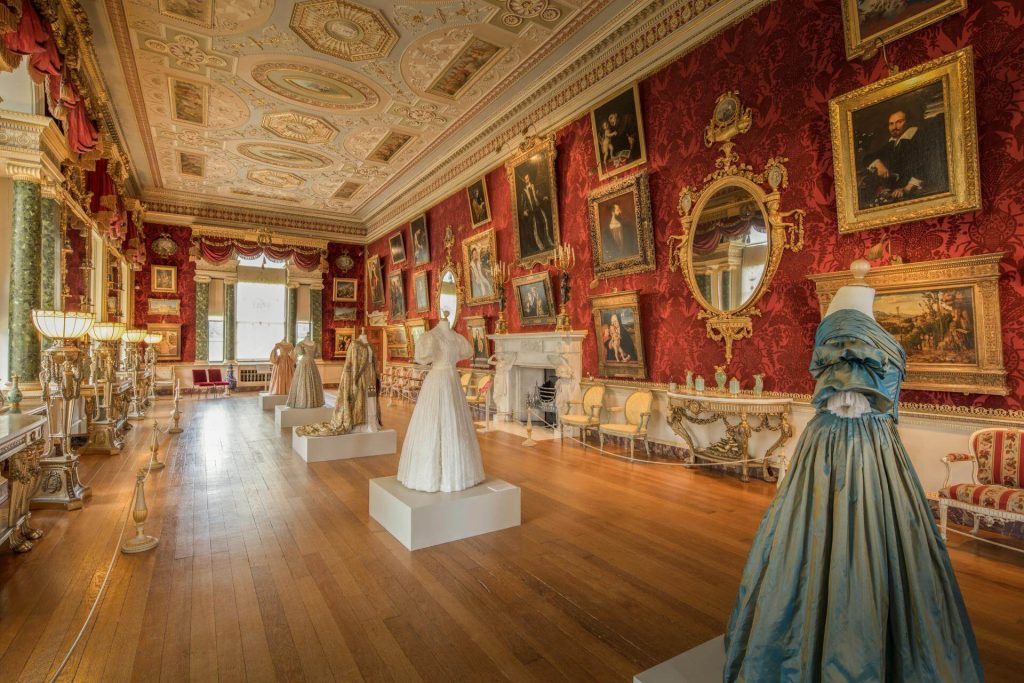
Galleries play a pivotal role in preserving art, ensuring that it remains available for future generations. Art is fragile, and without proper care, masterpieces can deteriorate over time. Galleries serve as the custodians of these treasures, providing the necessary environment for preservation and conservation. They are also the platforms where artists—both emerging and established—can showcase their works to a wider audience. For many, the gallery space represents the culmination of years of hard work and dedication, offering recognition and exposure. Galleries not only preserve the past but also promote the future of art, presenting the works of contemporary artists that challenge boundaries and question societal norms.
Art as a Medium of Cultural Exchange
One of the most fascinating aspects of art is its ability to transcend borders. Art speaks a universal language that can be understood regardless of geographical location or cultural background. Art galleries often serve as meeting points for different cultures, offering a space where people from all walks of life can come together to appreciate and discuss art. Exhibitions featuring works from international artists allow for a deeper understanding of global perspectives and traditions. The influence of diverse cultures can be seen in the themes, techniques, and materials used by artists, enriching the gallery experience. Art, in this sense, becomes an agent of cultural exchange, fostering empathy and understanding across the world.
The Impact of Art on Personal and Collective Identity
Art has a profound effect on personal and collective identity. It allows individuals to explore their inner world, express their emotions, and reflect on their life experiences. For many, viewing or creating art is a form of self-discovery and healing. A single painting or sculpture can evoke a deep emotional response, helping individuals process complex feelings or memories. On a larger scale, art also plays a critical role in shaping collective identity, particularly in the form of national monuments, historical paintings, and cultural artifacts. Galleries, as spaces of artistic presentation, provide the setting in which both personal and collective identities are explored, celebrated, and challenged. The works displayed in a gallery often serve as a mirror to society, offering insights into the values, struggles, and triumphs of different cultures and communities.
The Future of Art Galleries: Innovation and Accessibility
As the world continues to evolve, so too do the ways in which we experience art. Traditional galleries, while still important, are now joined by virtual and digital platforms that make art more accessible than ever. Virtual galleries allow individuals from across the globe to explore exhibitions without leaving their homes, breaking down geographical and physical barriers. Additionally, advancements in technology have introduced new forms of art, including digital art, interactive installations, and immersive experiences. These innovations are reshaping the gallery experience, offering viewers new ways to interact with art and connect with artists. The future of art galleries is one where innovation and accessibility go hand in hand, allowing art to reach and inspire a wider audience than ever before.